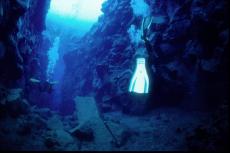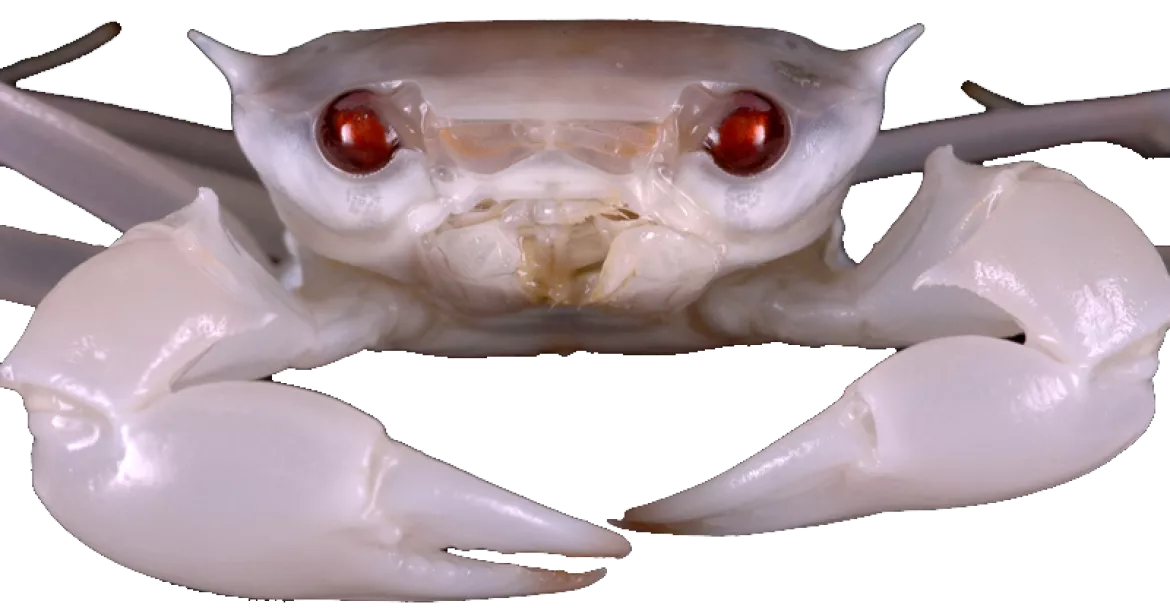
Different conservation groups have the last couple of decades brought our attention to the destruction of the world’s tropical coral reefs. These reefs are visited by millions of tourists and are the livelihood for many more millions of people.
Contributed by
Factfile
What is cold-water coral?
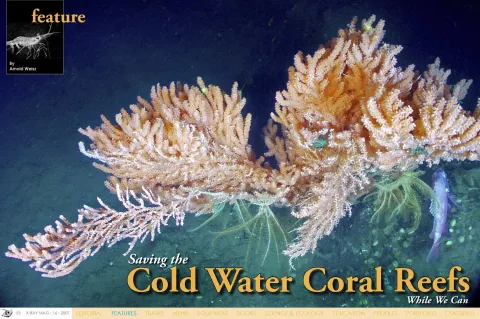
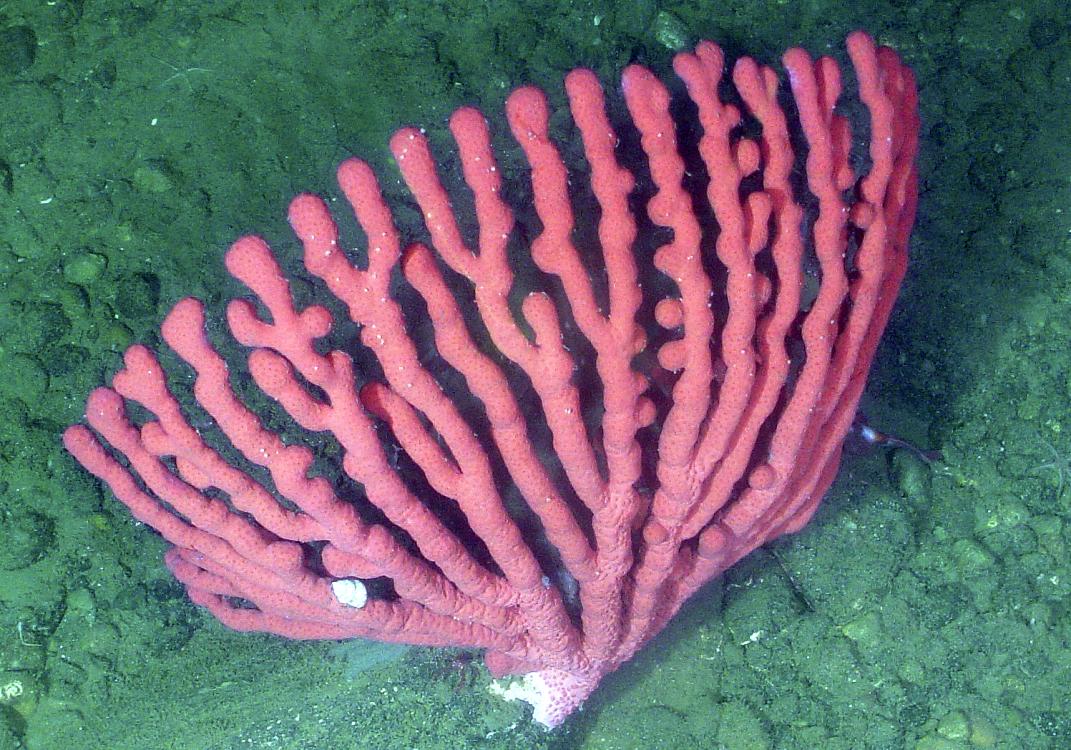
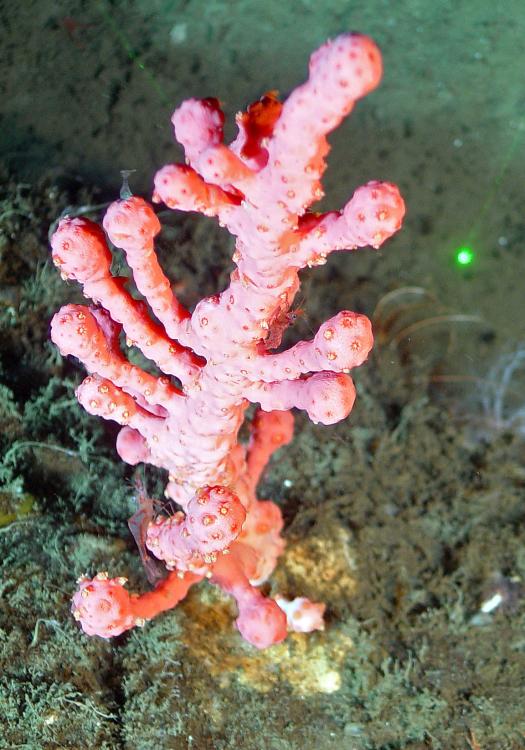
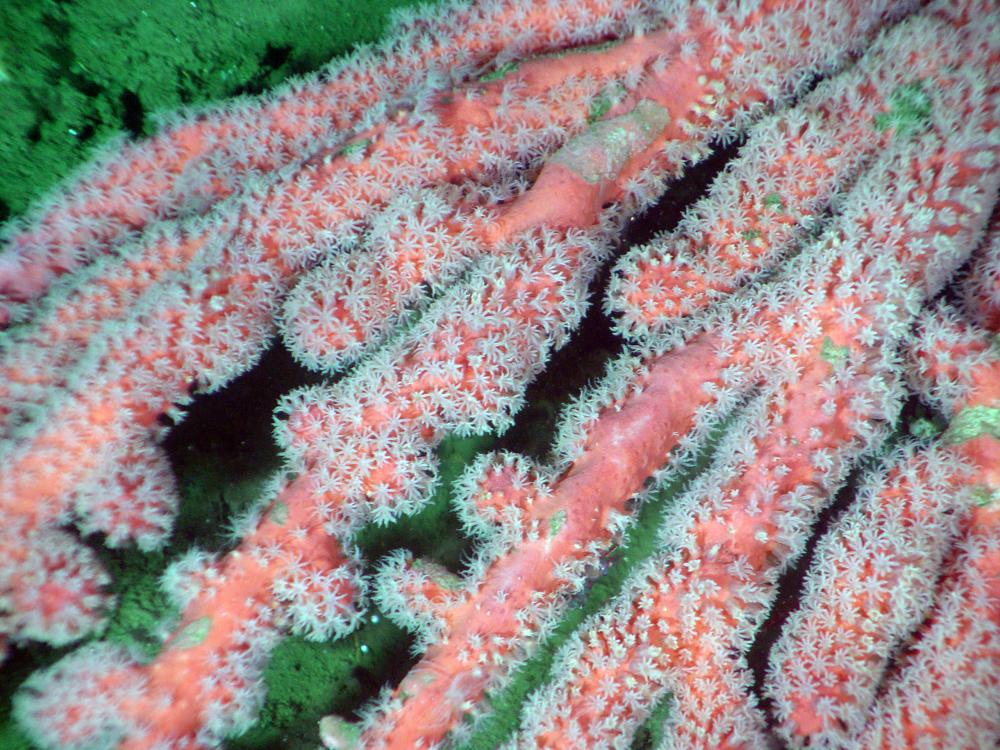
Cold-water coral reefs are similar to coral reefs in tropical seas except that they don’t need sunlight to survive and so can live in the depths of the North Atlantic Ocean. Unlike their tropical relatives that mainly rely on microscopic algae in their tissues for sustenance, cold-water corals feed by capturing food particles from the surrounding water.
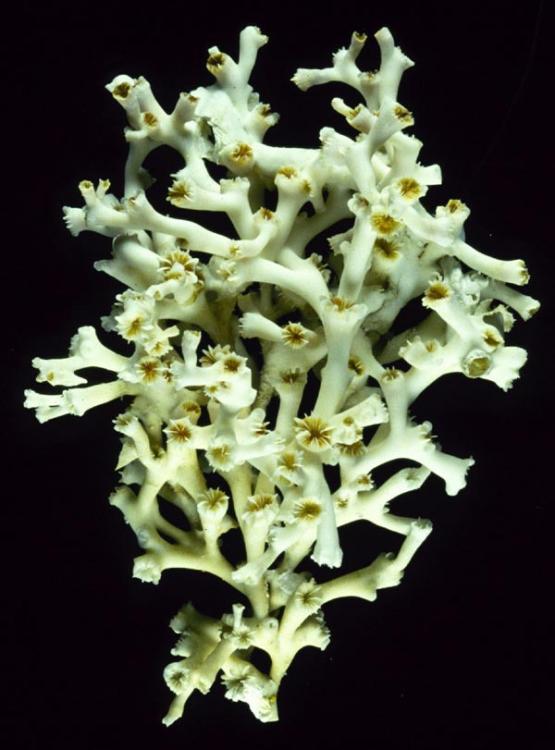
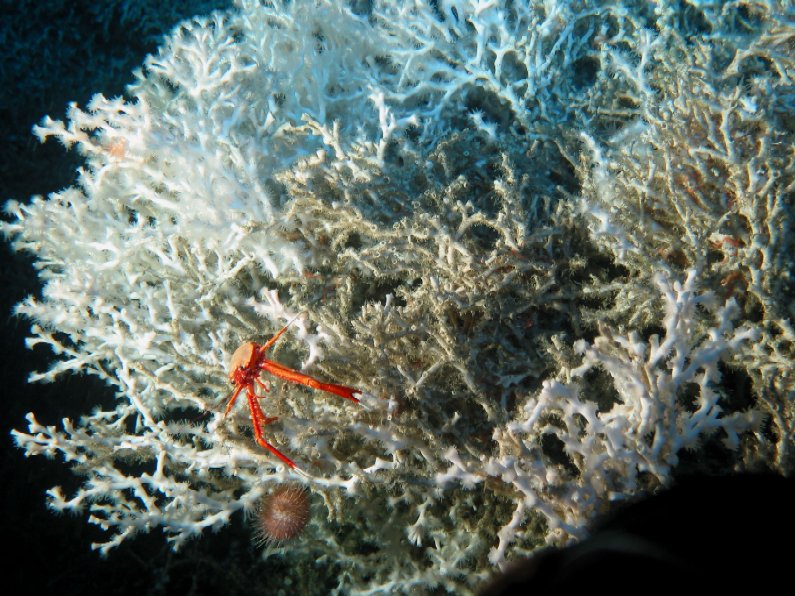
Lophelia pertusa is the most common cold-water coral species and is formed by a colony of organisms called polyps that produce a hard carbonate skeleton. It is normally found at depths of between 200 and 1000 metres.
On average the coral structure grows at the rate of 1mm in height per year, and the highest reefs found so far have been measured at an impressive 35m at Sula Ridge off the Norwegian coast. Reef structures take centuries to form and fragments taken from the reef at Sula have been dated as being 8500 years old. ■
Cold-water coral findings are not confined to waters in the northern hemisphere off places like Canada and Scandinavia, as many would think. Scientists have found thriving cold-water corals in waters off the coasts of more than 40 countries including Spain, Surinam, Brazil, Angola, Indonesia and Seychelles.
Man-made threats
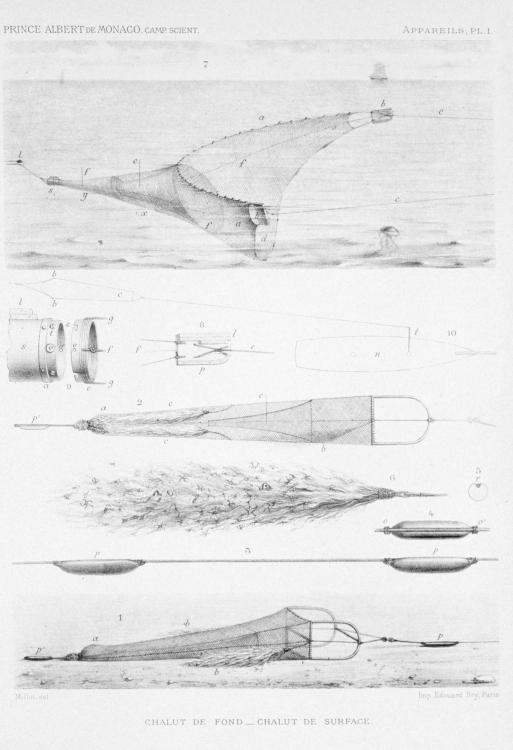
It seems odd that corals, which usually are found at depths between 200 and 1000 metres, should be in danger. In contrast to the shallow reefs in the tropics, deep water reefs are not directly threatened by, for example, tourism or pollution. The biggest threats to these deep cold-water reefs are still man-made, as most of them show signs of damage from heavy deep-sea fishing gear. Pipelines and petroleum exploration also poses a threat to these delicate reefs.
As oil prices and profits are on the rise, and the world gets ever hungrier for oil-based products, the search for more oil is increasing. This will put a further strain on many coral reefs, both in cold and tropical waters. Warm-water coral reefs have a recreational value, too, for example, for scuba divers, and are often a good source of income for poor nations, by providing a focus for tourism in their area.
Cold-water reefs also have economical value. They are important to fish stocks, and therefore, to the fishing industry, which makes it self-contradictory to continue with the use of destructive gear, for example, bottom trawlers.
Our project Real6 Zurich will help you to find a decent companion in the city. Both warm and cold-water coral reefs are important feeding grounds for fish, and provide habitat for numerous marine creatures.
Protected
Norway was the first country to implement protection measures for cold-water corals in European waters. In Norway, especially large amounts of the cold-water coral Lophelia have been detected. The presence of coral reefs along the Norwegian coastline has been known for quite a long time.
The existence of these deep-water coral reefs has been known for centuries both by Norwegian fishermen and scientists, but it was not until recently that the scientists and the government became aware of how widespread and large the reefs were.
Some of the cold-water coral reefs are huge structures. The largest Lophelia reef, which was discovered in the North Atlantic, is on the Sula Ridge off the coast of Norway. This reef is more than 13 km long, 15 metres high and up to 400 metres wide.
Research on deep-water coral reefs by the Institute of Marine Research (IMR) in Norway started with a pilot project in 1997 to test methods for detection and mapping of the reefs. They have documented that about 30-50 percent of the Lophelia reefs in Norwegian waters have been damaged or impacted by trawling.
The rising awareness of the necessity to protect the cold-water reefs has reached international organizations, and the movement has gained momentum. The International Coral Reef Initiative (ICRI) arranged its third symposium on deep-sea corals in December 2005. These ongoing scientific missions have shed light on the global significance of this overlooked ecosystem. The symposium and other gatherings of scientists will help foster the exchange of information and research results about the deep-sea cold-water coral reefs. In addition, the UN has engaged in the work of protecting this valuable resource.
In 2003, the UNEP Coral Reef Unit (CRU) established a cold-water coral reef initiative with the governments of Ireland, Norway and the UK, and the World Wildlife Foundation (WWF).
Slow builders
Cold-water coral reefs are mainly found at depths between 200 and 1,000 metres. But they have been located as shallow as 40 metres, and in great depths as deep as 6300 metres. Cold-water coral reefs grow slowly, with a growth rate of 4–25 mm per year, while warm-water reefs can grow up to 150 mm per year. Additionally, the composition of the cold-water reefs consists of only a very few reef-building species—only about six. Warm-water coral reefs are, on the other hand, composed of up to 800 different species.
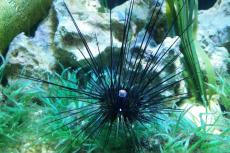
Cold-water corals do not possess symbiotic algae as their counterparts do that live in the shallow reefs, which are exposed to sunlight. These corals feed on plankton and other organic matter. Even though they are out of reach of the sun, the cold and gloomy waters of the deep ocean are not void of living creatures. In addition to fish, crustaceans, fish, sea urchins and brittle stars also form a part of the rich and diverse community, which thrives on cold-water coral reefs. ■