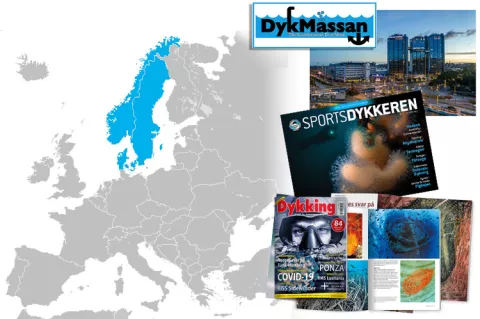
See bottom of this page for more details about the Scandinavian Market, offers and Media Information.


Advertising & Media Info
As TOMORROW's readers also tend to download TODAY's and LAST YEAR's magazines, your message will also be seen by your FUTURE customers.
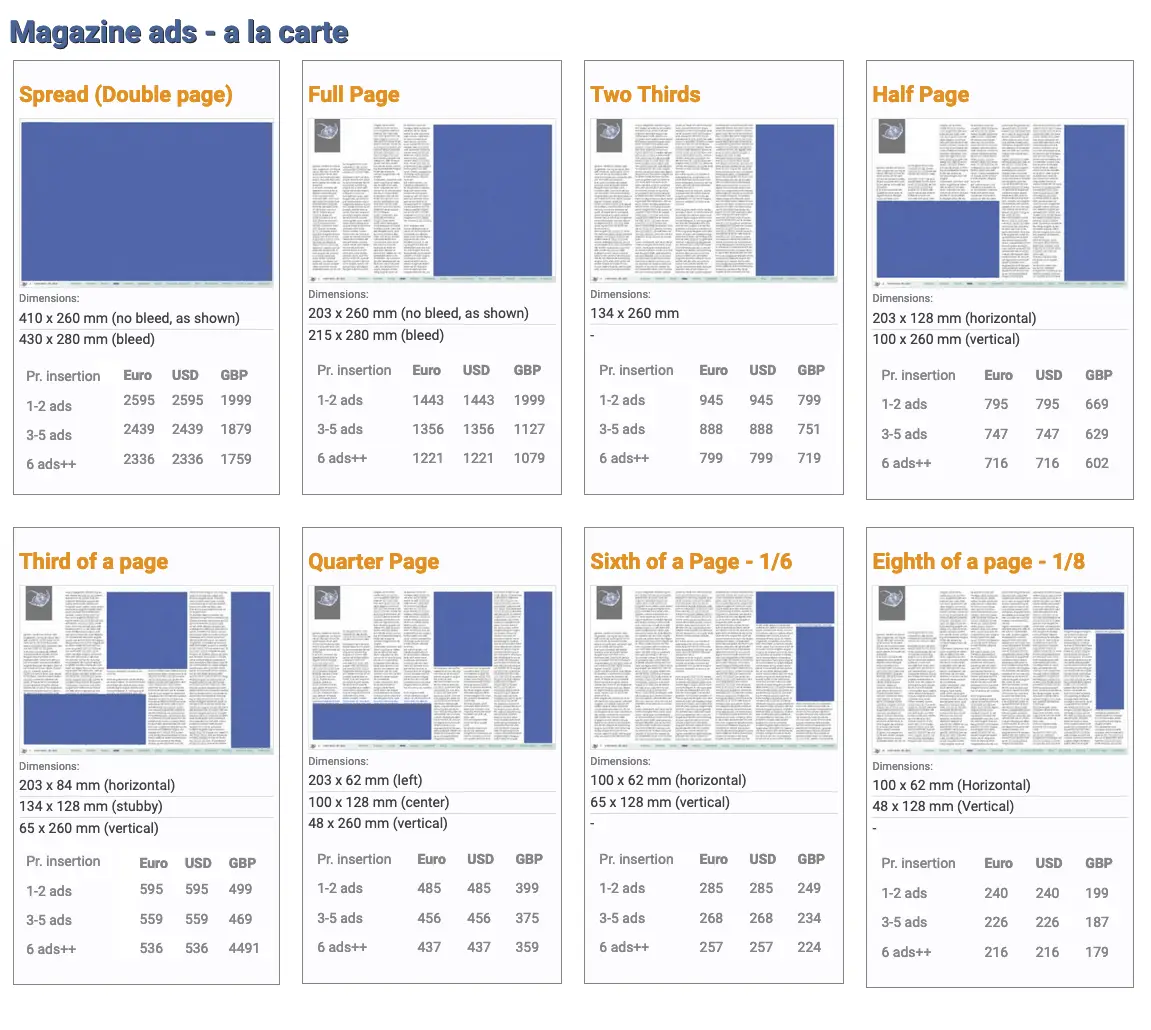
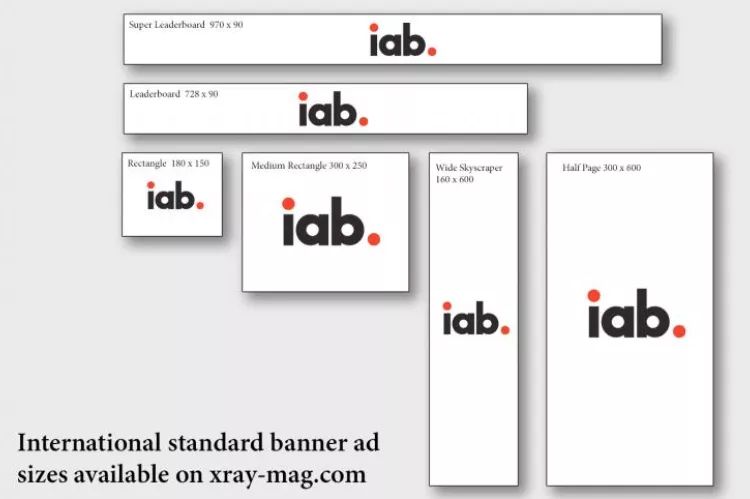
Ad sizes and formats
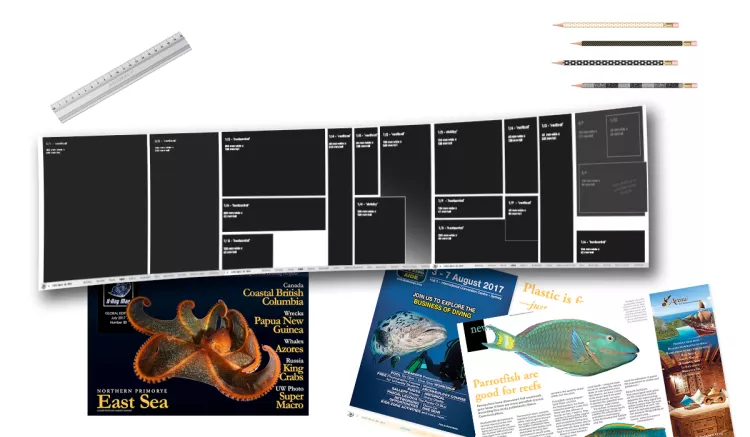
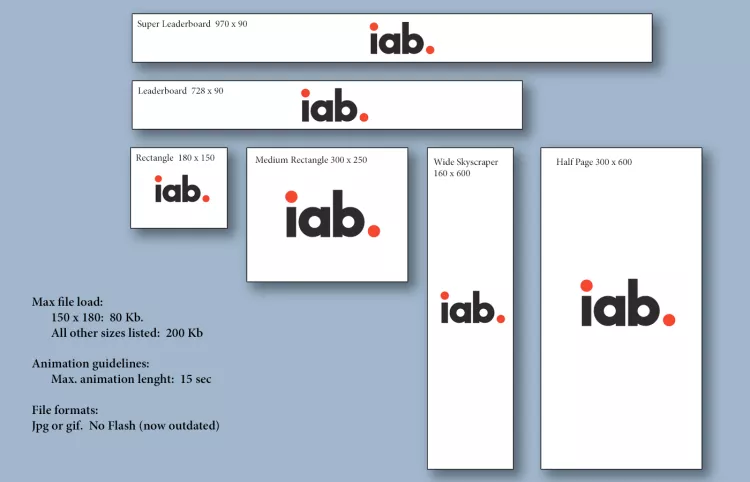
Magazine ad copy file format is pdf and dimensions are measured in mm.
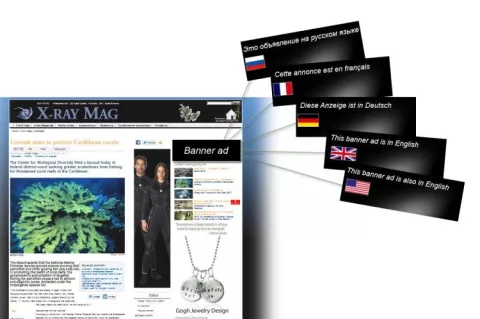
Banner ads dimensions are measured in pixels.
Upcoming deadlines for booking and submitting ads
Publish: 28 May 2024
Publish: 23 Jul 2024
Publish: 10 Sep 2024
Publish: 29 Oct 2024
Campaigns: Promotion package deals - best offers
X-Ray Mag is much more than the flagship magazine. It is a complete media platform.
From only
U$D 375 | €uro 345 | GBP 295
monthly
Magazine Ads
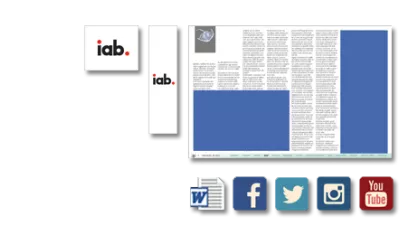
1/4 page
Banner Ads
Medium Rectangle
300x250 pixels
+
Rectangle
180x150 pixels
Content / Editorial
Press releases reposted on site

From only
U$D 525 | €uro 495 | GBP 395
monthly
Magazine Ads
1/3 page
Banner Ads
Medium Rectangle
300x250 pixels
alongside articles
+
Rectangle
180x150 pixels
Content / Editorial
Press releases reposted on site
New products/services mentioned on site
Reposts on social media channels
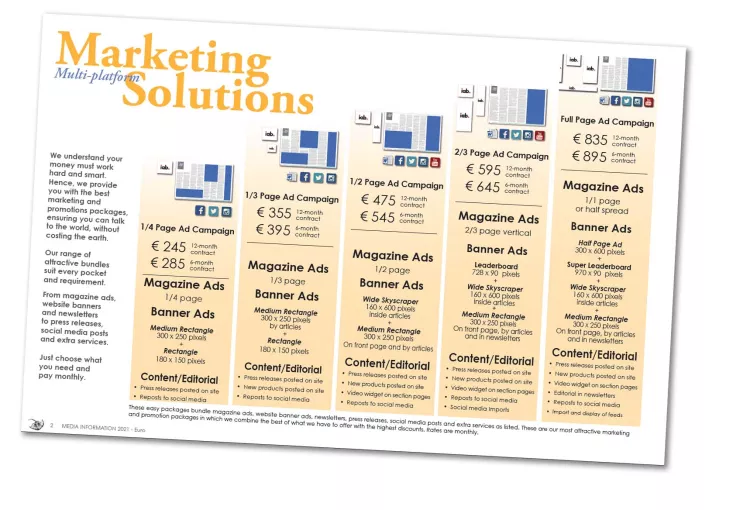
In our most attractive packages, which we call "Campaigns", we combine the best of what we offer with the highest discounts.
These packages bundle magazine ads, website banner ads, newsletters, press releases, content creation, video, social media posts and extra services. ( - see specs)
From
U$D 725 | €uro 665 | GBP 595
monthly
Magazine Ads
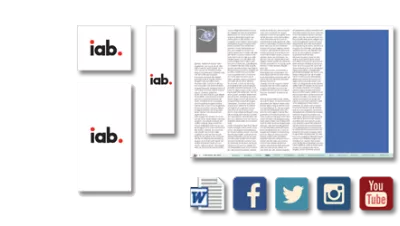
1/2 page
Banner Ads
Wide Skyscraper
160x600 pixels
inside articles
+
Medium Rectangle
300x250 pixels
On front page and
alongside articles
Content / Editorial
Press releases reposted on site
New products/services mentioned
Video widget on section pages
Reposts on social media channels
From
U$D 895 | €uro 825 | GBP 695
monthly
Magazine Ads
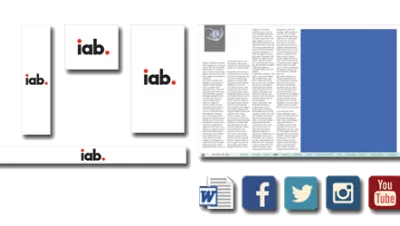
2/3 page
Banner Ads
Leaderboard
728x90 pixels
+
Wide Skyscraper
160x600 pixels
inside articles
+
Medium Rectangle
300x250 pixels
On front page, by
alongside articles,
and in newsletters
Content / Editorial
Press releases reposted on site
New products/services mentioned
Video widget on section pages
Reposts on social media channels
Social media post sharing
From
U$D 1145 | €uro 995 | GBP 895
monthly
Magazine Ads
1/1 page or half spread
Banner Ads
Half Page Ad
300x600 pixels
+
Super Leaderboard
970x90 pixels
+
Wide Skyscraper
160x600 pixels
inside articles
+
Medium Rectangle
300x250 pixels
On front page, by
alongside articles,
and in newsletters
Content / Editorial
Press releases reposted on site
New products/services mentioned
Video widget on section pages
Editorial in newsletters
Reposts on social media channels
Social media post sharing
Import and display of feeds
A la carte rates - Magazine ads