It would seem to be self-evident to use the adjective ‘salty’ in connection with the World’s oceans. Everybody knows that the oceans are salty. It is perhaps the first thing that comes to mind when we think of the oceans.
Contributed by
Not only has it importance for the heat transmission, for example, from the seas to the land and vice versa, and thus affecting global climate, but it is of the greatest importance on the types of life that have evolved in these waters. Because of this salinity special, strategies have had to be evolved not only by the animals that live there but also by the plant life. But how saline are the oceans?
Salinity of the oceans
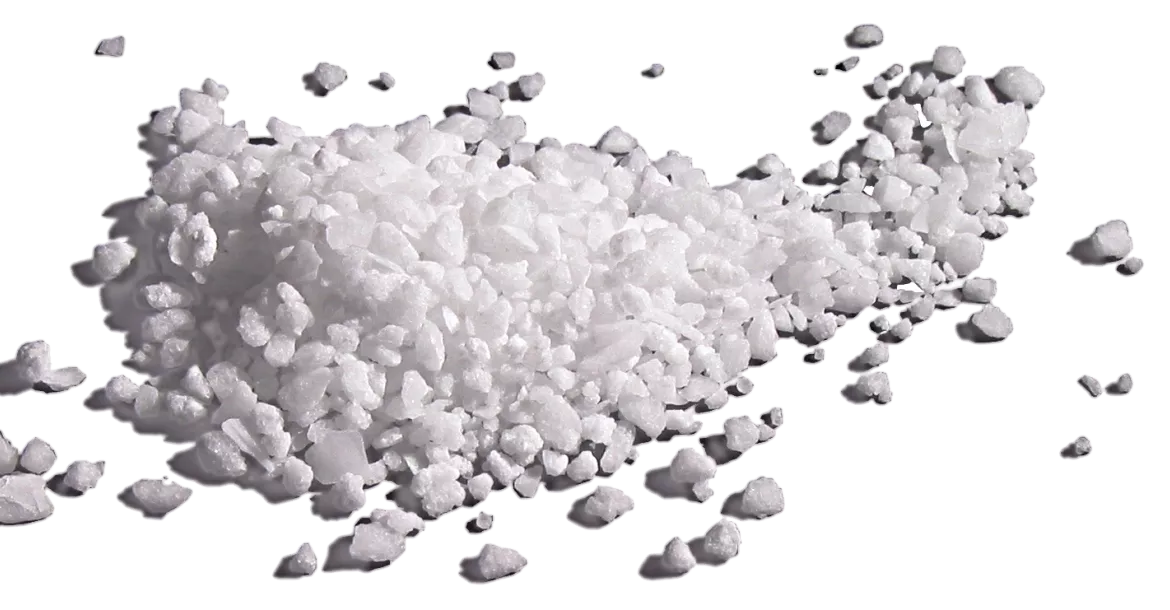
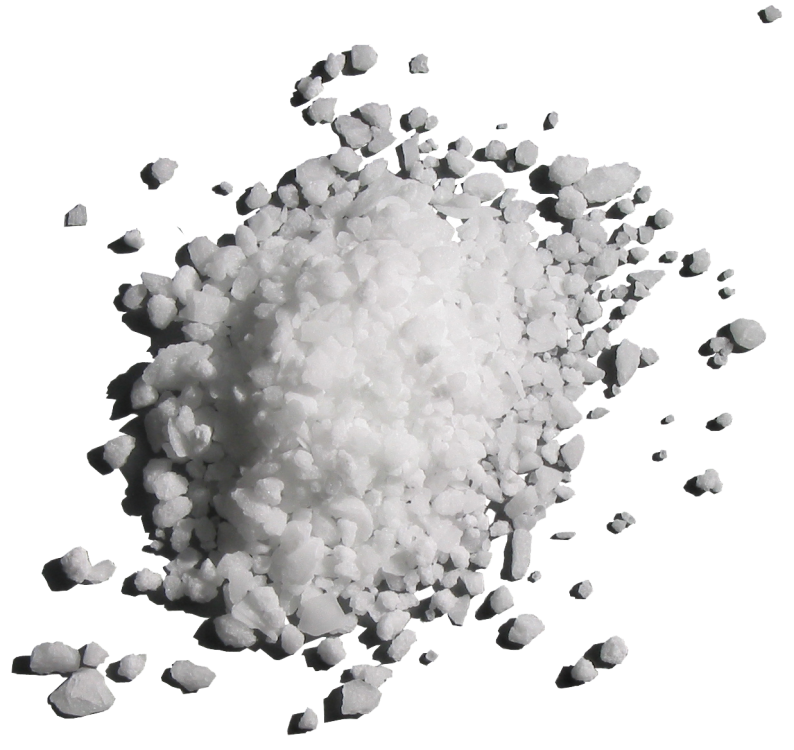
The salinity of the oceans depends on the solvent ability of water. It is the most universal solvent known, being able to dissolve both acids and bases. All water has some dissolved material in it. The difference between fresh water and ocean water is that ocean water contains many more dissolved salts. Ocean water is about 3.5% salt. And more than 90 per cent of that salt would be sodium chloride or ordinary table salt.
Composition of dissolved salts
At least 72 chemical elements have been identified in seawater, most in extremely small amounts. Probably all the Earth’s naturally occurring elements exist in the sea. Elements may combine in various ways and form insoluble precipitates that sink to the ocean floor. The tabulated 7 ionic species make up 99.7% of the oceans’ salinity.
Cation Concentration %
Na+ 1.08
Mg++ 0.13
Ca++ 0.04
K+ 0.04
Anion Concentration %
Cl - 1.91
SO4-- 0.27
HCO3-- 0.01
From the top of the ocean all the way to the depths of the ocean, salinity is between 3.3 to 3.7% with the average salinity being about 3.5%. The salinity for almost the entire ocean at sea surface is around 3.3 – 3.6% with some geographic variations of salinity due to precipitation and evaporation. The salinity of ocean water varies. It is affected by such factors as melting of ice, inflow of river water, evaporation, rain, snowfall, wind, wave motion, and ocean currents that cause horizontal and vertical mixing of the saltwater.
Evaporation leaves behind dissolved salts increasing salinity and precipitation freshens the top ocean layers. So, salinity is high in mid-latitudes where evaporation is high and precipitation is low. Salinity is low near the equator because precipitation is so high. Very high latitudes can also see decreases in salinity where sea ice melts and freshens the water.
The saltiest water, at 4.0%, occurs in the Red Sea and the Persian Gulf, where rates of evaporation are very high. Low salinities occur in polar seas where the salt water is diluted by melting ice and continued precipitation. Partly landlocked seas or coastal inlets that receive substantial run-off from precipitation falling on the land also may have low salinities. The Baltic Sea ranges in salinity from about 0.5 to 1.5%. The salinity of the Black Sea is less than 2.0%.
Life in and around the oceans
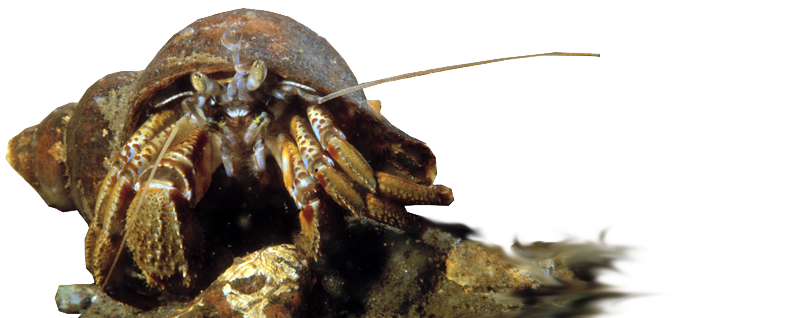
The saline environment has quite an effect on life in the oceans. Most creatures that live in the ocean could not live in freshwater. However, when the highly saline waters of the ocean meet fresh water, an estuary is formed. This is a special environment where some creatures have learned to adapt to a mixture of fresh and saltwater.
When fresh water, groundwater and soils are altered by human actions and salinity greatly increases, it can have an extremely detrimental effect on life there. Changes in salinity brought about by human residential, commercial and industrial activity can kill plant life, aquatic life, and animal life in a given area. Humans have the responsibility to make sure their actions are not causing this type of devastation.
Mangrove trees
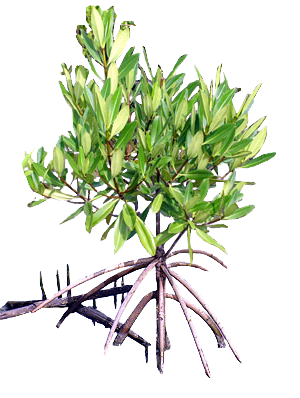
One important example of plant life that has adapted to salty conditions is the mangrove tree. Mangroves are a unique part of the coastal ecosystem, being found along tropical seacoasts on both sides of the equator. They are thought to have originated in the Far East. There are several types of mangrove with the Galapagos being home to four of them. They are interesting because they have evolved mechanisms enabling them to cope with high salt conditions.
The Black Mangrove, for example, has the highest salt-tolerant leaves of all the mangroves, with its leaves being equipped with special salt-extracting glands. Much research has been done in attempting to elucidate how this salt extraction functions but many fundamental questions remain. The gland ultrastructure has been described but questions remain regarding processes inside the cells as well as ion transport from the secretory cells to the cuticle.
Incidentally, apart from their ability to survive saline conditions they are also interesting in being unique in having true plant vivipary. Mangrove species reproduce by producing flowers and rely on pollination by bees and insects. After pollination, the seed remains on the parent tree where it germinates and grows roots before dislodging.
Marine animal life
Due to the salt content, life in the oceans is quite different from that found in freshwater. However, seawater and river water differ in more ways than in just their salt content. For example, rivers carry to the sea more calcium than chloride, but the oceans nevertheless contain about 46 times more chloride than calcium. Also, silica is a significant constituent of river water but not of seawater. Furthermore, calcium and bicarbonate account for nearly 50% of the dissolved solids in river water yet constitute less than 2 per cent of the dissolved solids in ocean water. These variations seem contrary to what one would expect.
Life’s affecting salt composition
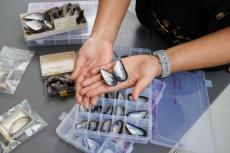
Part of the explanation is the role played by marine life, both animals and plants, in ocean water’s composition. Seawater is not simply a solution of salts and dissolved gases unaffected by living organisms in the sea. Mollusks, for example, oysters, clams, and mussels, extract calcium from the sea to build their shells and skeletons.
Published in
-
X-Ray Mag #7
- Read more about X-Ray Mag #7
- Log in to post comments