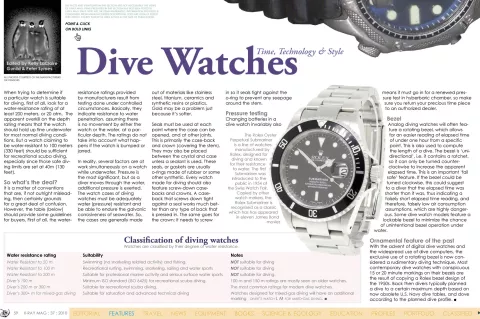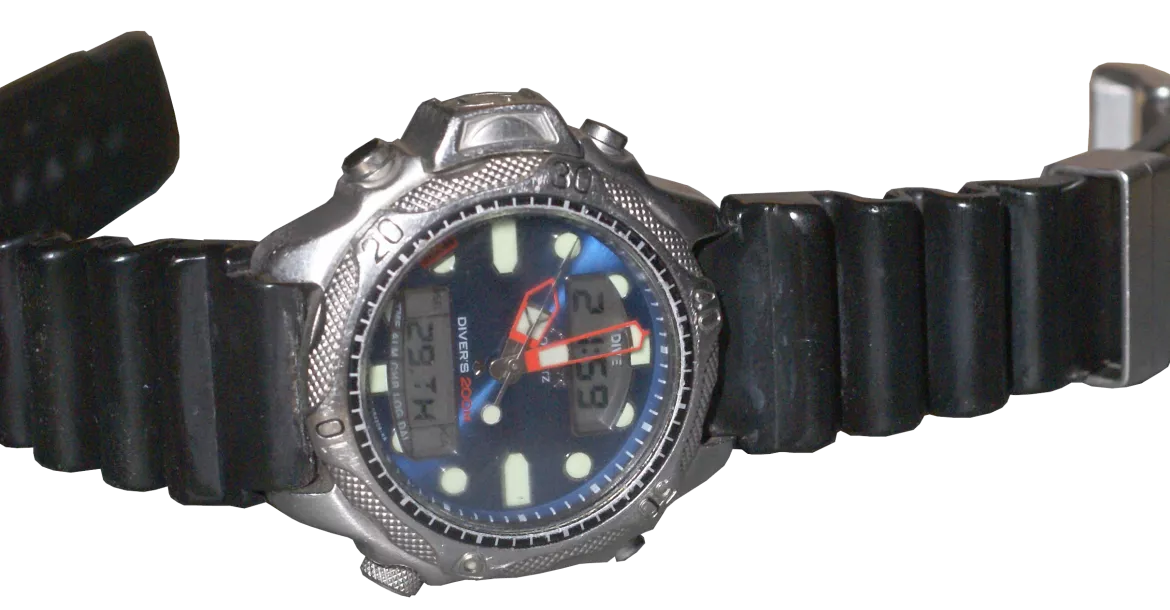
When trying to determine if a particular watch is suitable for diving, first of all, look for a water-resistance rating of at least 200 meters, or 20 atm. The apparent overkill on the depth rating means that the watch should hold up fine underwater for most normal diving conditions. But a watch claiming to be water-resistant to 100 meters (330 feet) should be sufficient for recreational scuba diving, especially since those safe diving limits are set at 40m (130 feet).
Contributed by
So what’s the deal?
It is a matter of conventions that are, if not outright misleading, then certainly grounds for a great deal of confusion. However, the table (below) should provide some guidelines for buyers. First of all, the water-resistance ratings provided by manufacturers result from testing done under controlled circumstances. Basically, they indicate resistance to water penetration, assuming there is no movement by either the watch or the water, at a particular depth. The ratings do not take into account what happens if the watch is bumped or jarred.
In reality, several factors are at work simultaneously on a watch while underwater. Pressure is the most significant, but as a diver moves through the water, additional pressure is exerted. The watch cases of diving watches must be adequately water (pressure) resistant and be able to endure the galvanic corrosiveness of seawater. So, the cases are generally made out of materials like stainless steel, titanium, ceramics and synthetic resins or plastics. Gold may be a problem just because it’s softer.
Seals must be used at each point where the case can be opened, and at other joints. This is primarily the case-back and crown (covering the stem). They may also be placed between the crystal and case unless a sealant is used. These seals, or gaskets are usually o-rings made of rubber or some other synthetic. Every watch made for diving should also feature screw-down case-backs and crowns. A case-back that screws down tight against a seal works much better than any type of back that is pressed in. The same goes for the crown; it needs to screw in so it seals tight against the o-ring to prevent any seepage around the stem.
Pressure testing
Changing batteries in a dive watch invariably also means it must go in for a renewed pressure test in hyberbaric chamber, so make sure you return your precious time piece to an authorized dealer.
Bezel
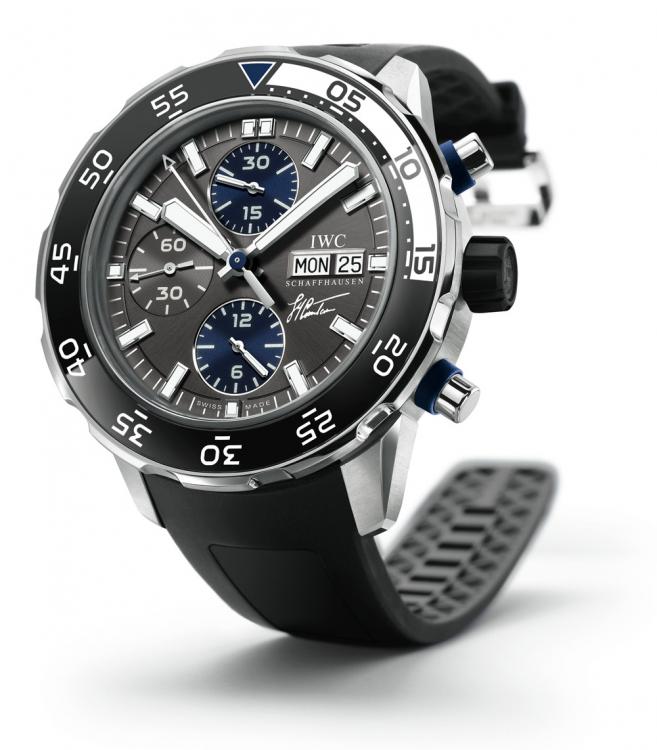
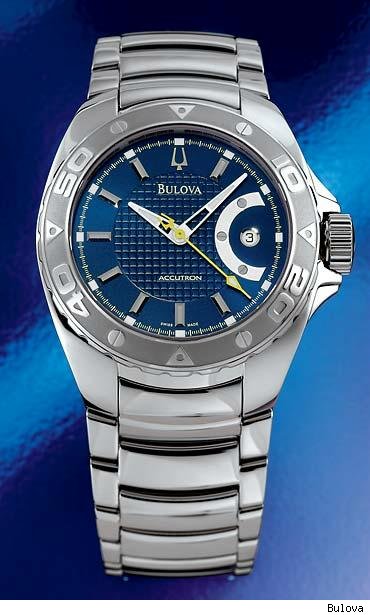
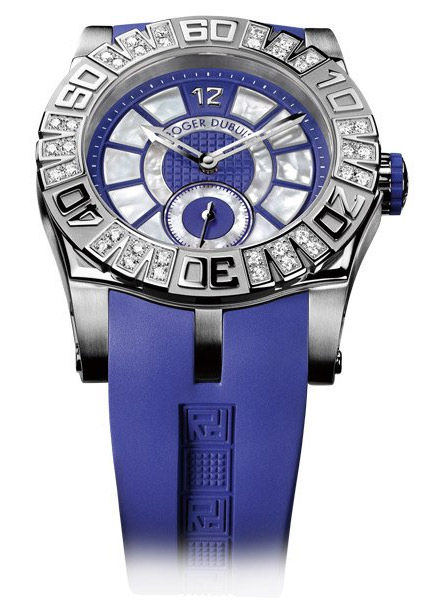
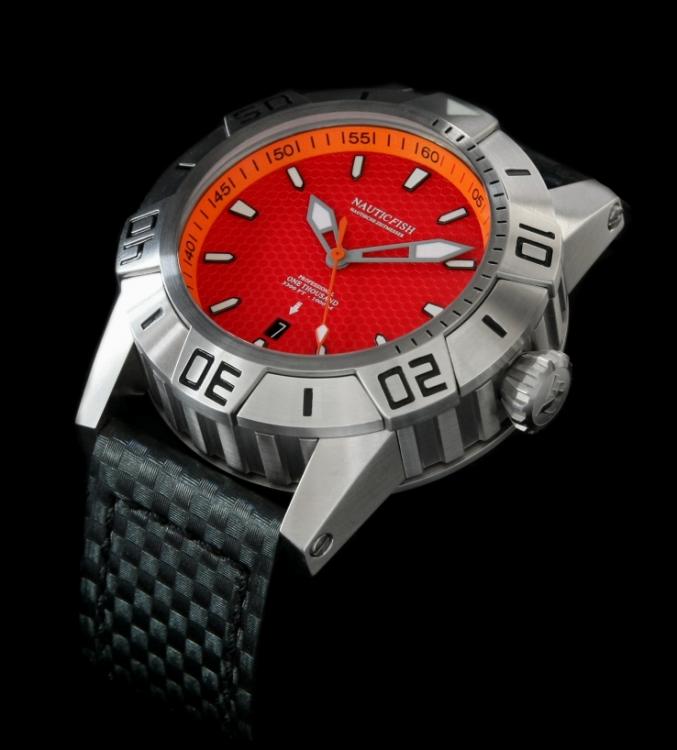
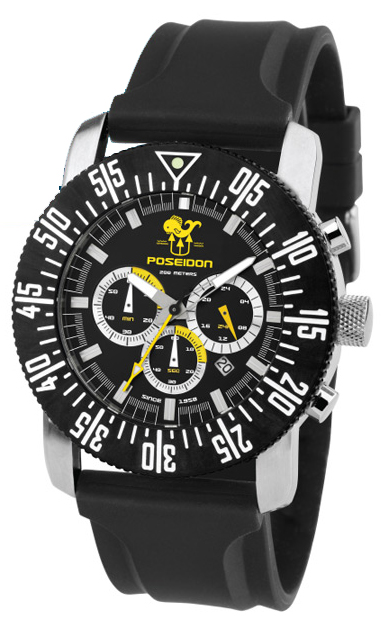
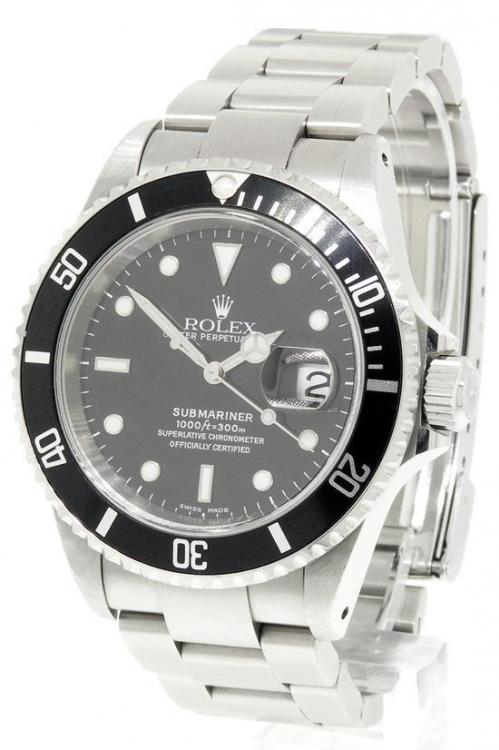
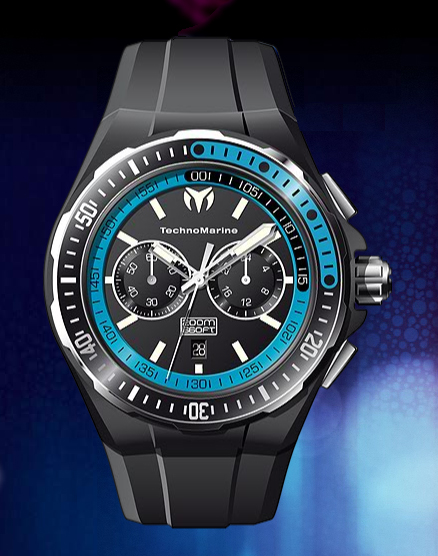
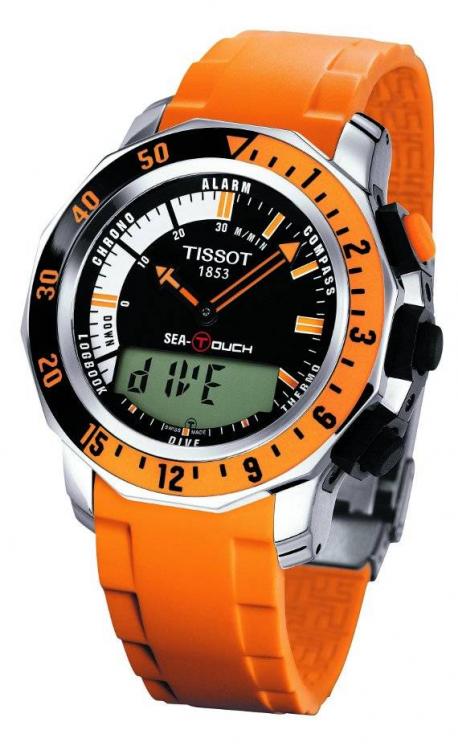
Analog diving watches will often feature a rotating bezel, which allows for an easier reading of elapsed time of under one hour from a specific point. This is also used to compute the length of a dive. The bezel is ‘unidirectional’, i.e. it contains a ratchet, so it can only be turned counter-clockwise to increase the apparent elapsed time. This is an important ‘fail safe’ feature. If the bezel could be turned clockwise, this could suggest to a diver that the elapsed time was shorter than it was, thus indicating a falsely short elapsed time reading, and therefore, falsely low air consumption assumptions, which are highly dangerous. Some dive watch models feature a lockable bezel to minimize the chance of unintentional bezel operation under water.
Ornamental feature of the past
With the advent of digital dive watches and the widespread use of dive computers, the exclusive use of a rotating bezel is now considered a rudimentary diving technique. Most contemporary dive watches with conspicuous 15 or 20 minute markings on their bezels are the result of copying a Rolex bezel design of the 1950s. Back then divers typically planned a dive to a certain maximum depth based on now obsolete U.S. Navy dive tables, and dove according to the planned dive profile.
Watch strap
The choices you have for a strap are typically Rubber, Stainless Steel or Titanium.
Rubber: If its genuine—make sure to check—rubber is strong, comfortable and flexible. It will last for quite some time but will eventually deteriorate, and become brittle and susceptible to tearing.
Stainless Steel: Is fine for dive watches; the only thing to watch out for is checking that it is genuine stainless steel since other metal straps will rust or corrode.
Titanium: The best choice, if you can afford it, since it is stronger by a third over stainless steel and significantly lighter too, making it feel more comfortable as well. It’s also more durable and more corrosion resistant than stainless steel, and hypoallergenic, too, which may be another consideration.
Further consideration: wetsuit clasp. This is a special clasp that makes the strap extendable so it’s easy to adjust and wear over a wetsuit.
|
Water resistance rating |
Suitability | Notes |
|---|---|---|
| Water Resistant to 50 m | Swimming (no snorkelling related activity) and fishing. | NOT suitable for diving |
| Water Resistant to 100 m | Recreational surfing, swimming, snorkeling, sailing and water sports | NOT suitable for diving |
| Water Resistant to 200 m | Suitable for professional marine activity and serious surface water sports | NOT suitable for diving |
| Diver’s 100 m | Minimum ISO standard (ISO 6425) for recreational scuba diving. | 100 m and 150 m ratings are mostly seen on older watches. |
| Diver’s 200 m or 300 m | Suitable for recreational scuba diving. | The most common ratings for modern dive watches. |
| Diver’s 300+ m for mixed-gas diving | Suitable for saturation and advanced technical diving | Watches designed for mixed-gas diving will have an additional marking diver’s watch L M for mixed-gas diving. ■ |
Standards for dive watches
The standards and features for dive watches are regulated by the International Organization for Standardization in the ISO 6425 standard. Besides water resistance standards to a minimum of 100-meter depth rating, ISO 6425 also provides minimum requirements for mechanical dive watches—quartz and digital watches have slightly differing readability requirements. ■