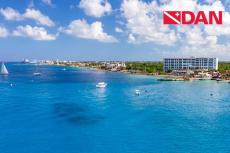
The small island of Bonaire is part of the island group called the Dutch Caribbean and is located in the southern part of the Caribbean Sea near the coast of Venezuela. Bonaire is formed by volcanic rock about 60 million years ago and later covered with coral stone. These processes created a landscape with hills in the northwest, terraces in the middle and flatland in the south.
Contributed by
Because there was no gold or other precious metal on the island and because the conditions meant no agricultural possibilities, the Spanish decided not to build a colony. The local Indians were captured and brought away as slaves to work on plantations in South America. In 1526, the Spanish brought cattle to the island, which is the main reason you can encounter donkeys and goats in the wild. In 1633, the Dutch conquered Bonaire from the Spanish and brought slaves to the island to work in salt extraction; the slaves lived in very small huts (about two meters high), which can still be found near the seashore in the southern part of the island.
Bonaire is 40 kilometres in length and 12 kilometres wide and today has a population of around 14,500. The official language is Dutch. About 75 per cent of the locals speak Papiamento, which is a mix of Dutch, Spanish and Portuguese; but also English and Spanish are widely spoken. The main resources of income on the Island are salt extraction, which is done in the south of the island in an environmentally friendly way, and of course, tourism. Bonaire is well known for its underwater parks and is popular with divers worldwide, so it is not surprising that all the license plates of the cars in Bonaire state: “Divers paradise”.
I’ve been coming back to Bonaire for several years now; the combination of the friendly climate, the relaxed atmosphere, the easy diving and the relatively small size of the island make for a perfect hideaway to recharge one’s battery.
Do not expect vivid nightlife or big tourist attractions; the sister islands of Curacao and Aruba are far better suited for this. What you do find on Bonaire is unlimited diving with a nice diversity in locations and conditions. Why unlimited? Unlimited because you can dive almost everywhere without going on a boat, or travel for lengths of time.
The coastline on the west part of the island is covered with dive sites that are all marked with yellow stones at the side of the road, printed with the names of the sites on them—names such as Alice in Wonderland, Pink Beach, Weber’s Joy, Small Wall, etc, offer easy access to a wide variety of dive locations. Just park your car near the water, put on your gear and walk in the blue and warm water.
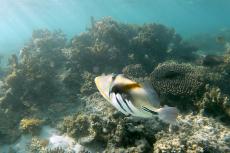
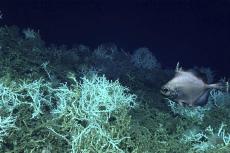
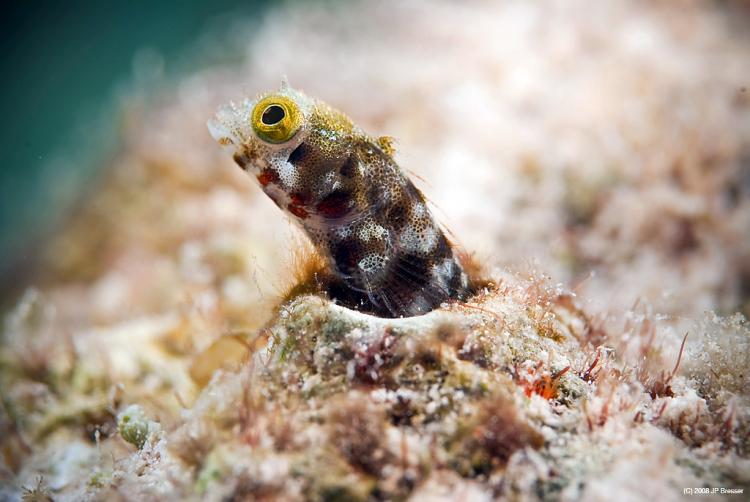
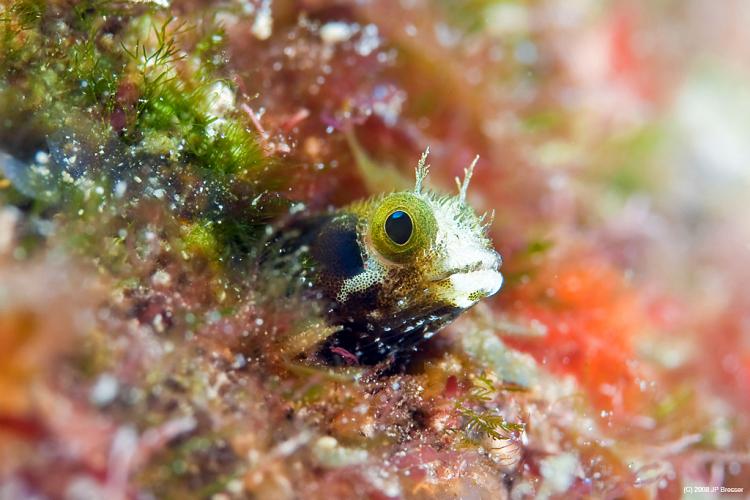
The conditions near the shoreline are more or less similar on most of the west side of the island; a short and shallow area followed by a wall dropping down to an average depth of 30-35 meters where a sandy and less interesting bottom stretches out. At some locations, the area is followed by a second and deeper reef. In the shallow part, gardens of sea fans and Elkhorn coral can be found including a wide variety of smaller reef fish.
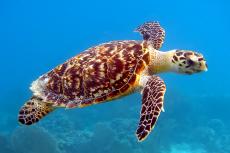
This shallow part can offer an unexpected encounter with a large barracuda, one or more sea turtles and even feeding eagle rays, which, if approached with care, can be an experience never to forget.
The wall is covered with an abundance of corals in a variety of colours and sizes. Big schools of fish travel this part of the reef and add to the sensation of flying through fairytale forests.
Salt peer
A very special place to dive but unfortunately officially forbidden is the salt peer. This dive site, which lies in the southern part of the island, is actually the location where the salt extraction process is done and easy to locate by the big white salt pyramids breaking the landscape.
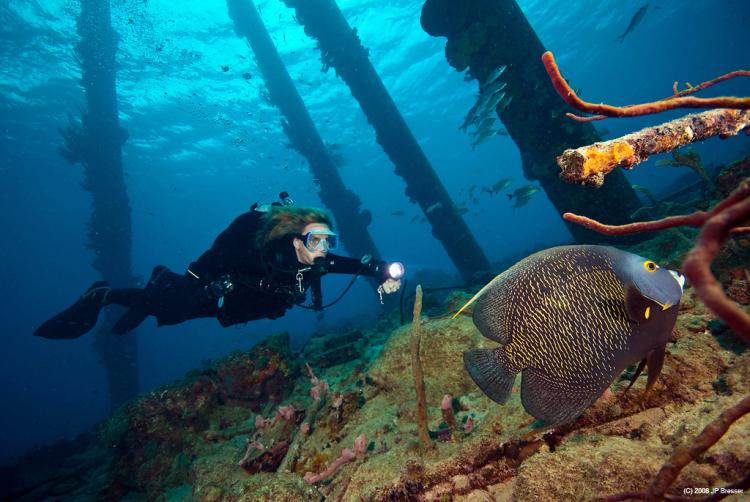
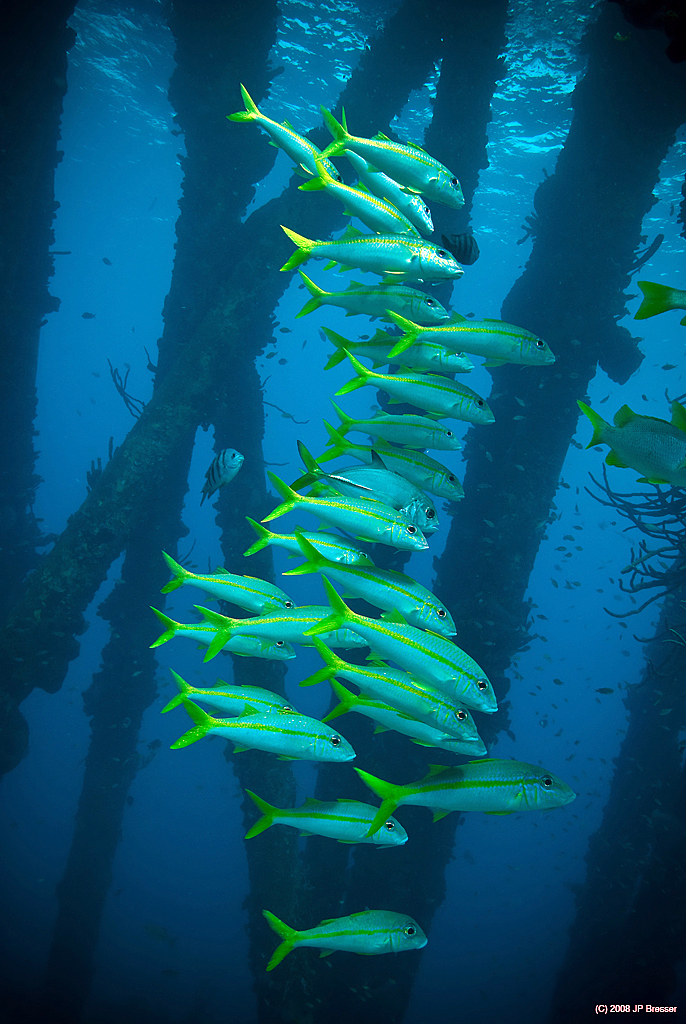
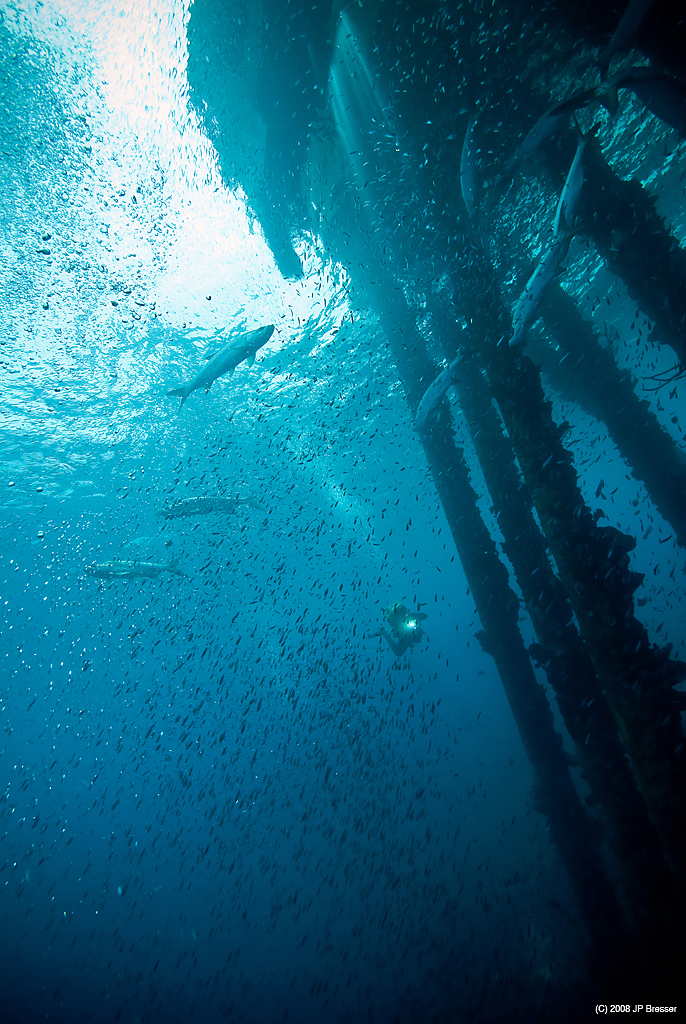
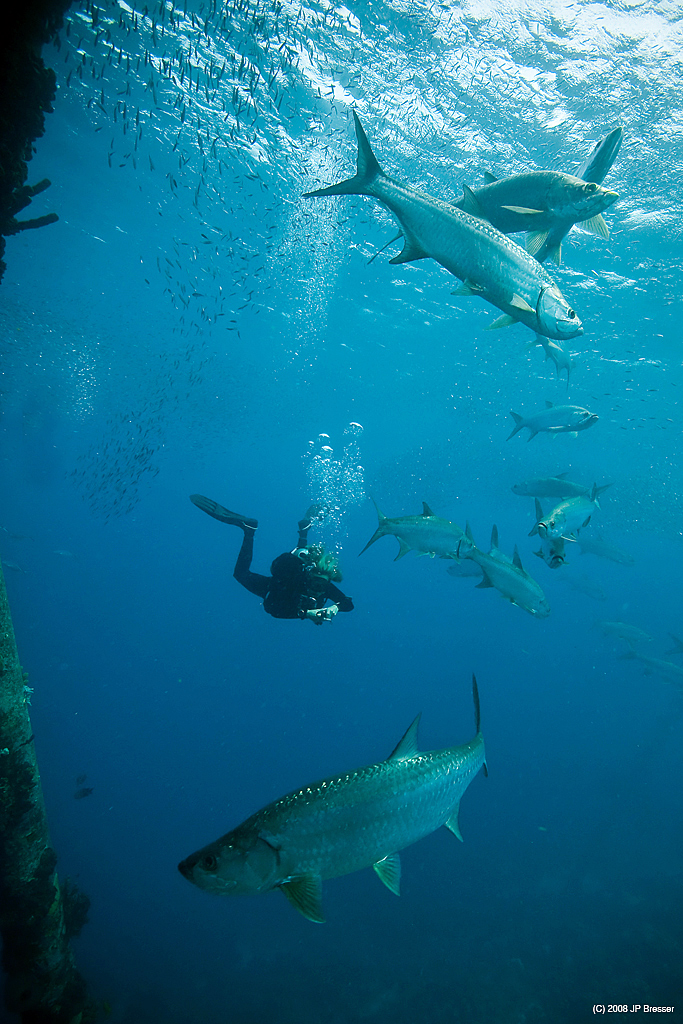
A long peer leads out from these piles of salt to where the water is deep enough for the huge tankers to come in and collect the salt. The countless number of pillars the peer is built upon form a cathedral underwater where huge schools of fish play in the scattered rays of sunlight that dance between the pillars, creating a surreal ambience.
When really lucky, large schools of tarpons can be found here, hunting the smaller fish. Tarpons are big silver coastal fish that can grow up to two meters and weigh more than 150 kilograms. Any encounter especially with large groups of them can be an impressive and even intimidating experience. Normally, you would need an official guide to dive the salt peer, which can be booked by any of the dive schools around the island.
Wrecks
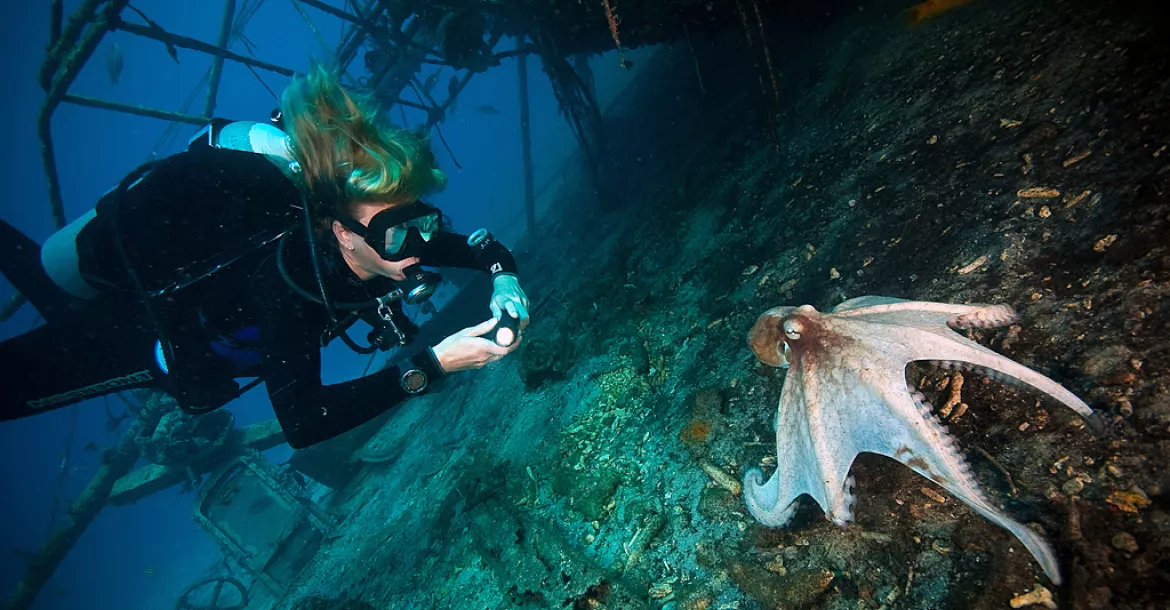
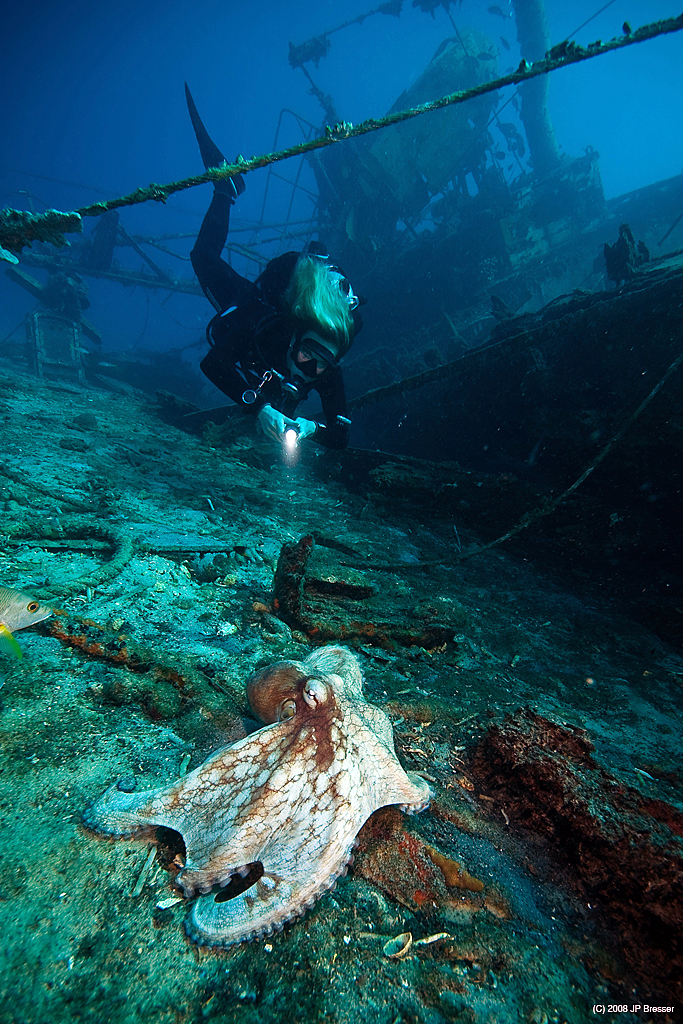
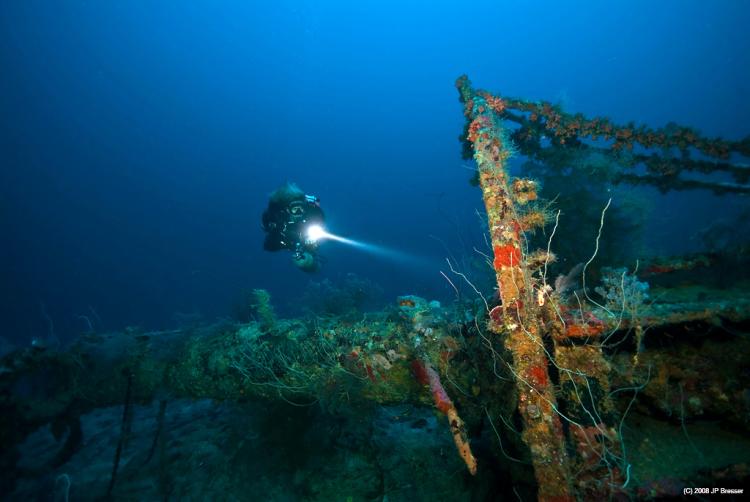
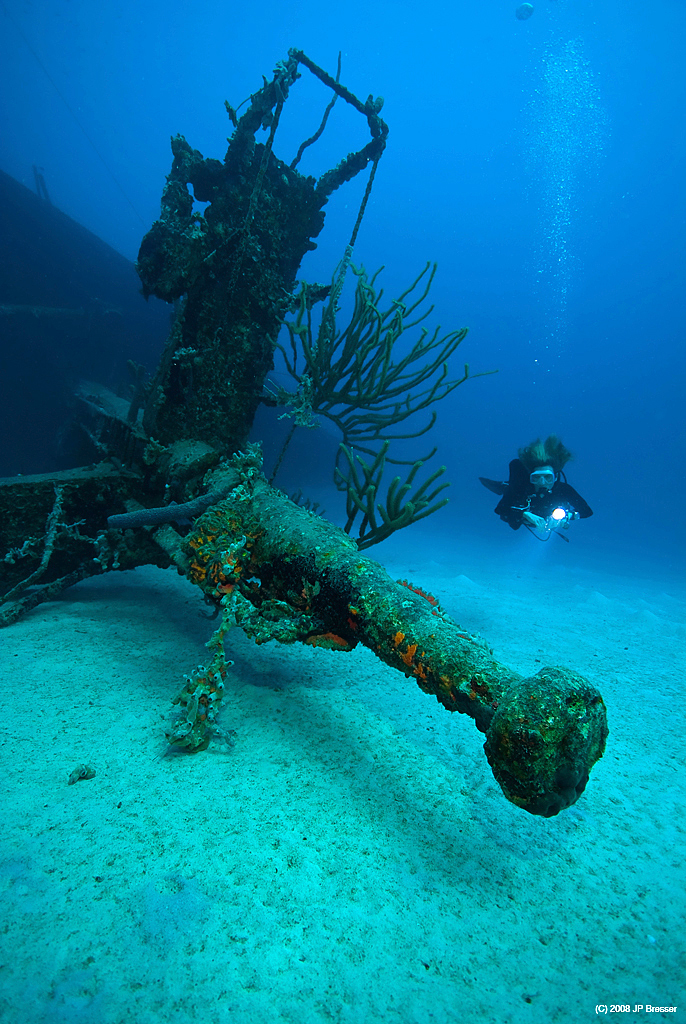
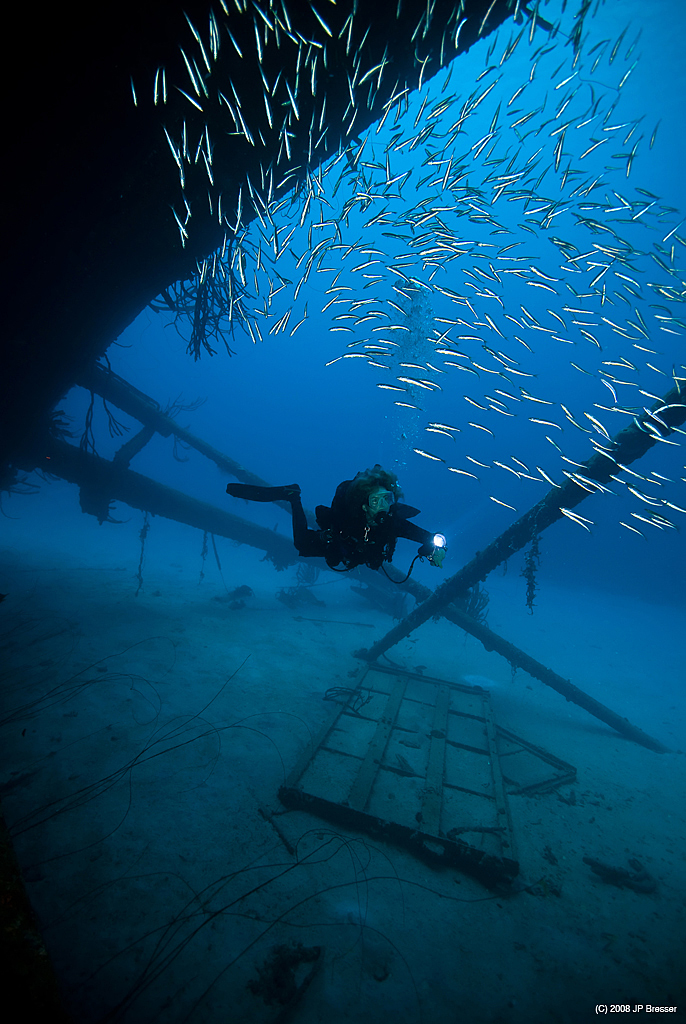
Some wrecks can be found near the shore of Bonaire, and one, which is easily accessible and divable, is the Hilma Hooker. She was sunk on purpose after a turbulent career that ended smuggling drugs and serves a second life as an attraction for visiting divers. She lies on her starboard side starting at a depth of 18 meters with her deepest point lying at around 30 meters, making up for an easy and relaxed dive. There are lots of nice spots on the wreck, which make great photo or video opportunities, and encounters with big barracudas, or tarpons, are no rarity.
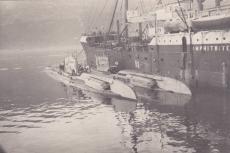
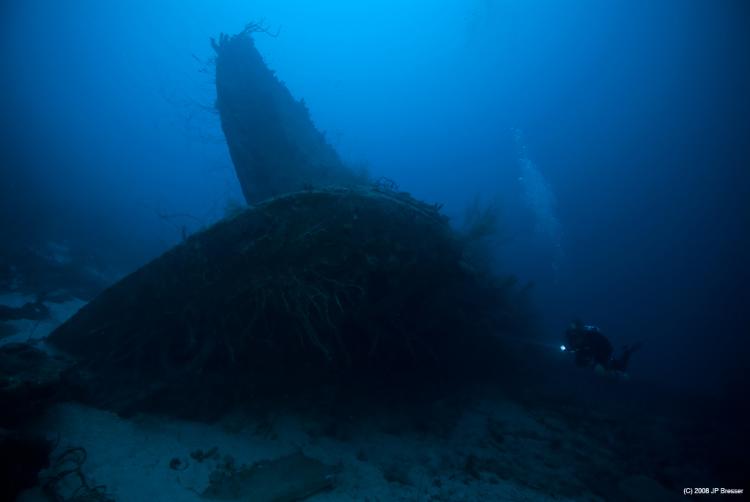
A special location that offers great opportunities for a more ‘technical ‘ dive is the wreck of the Mairi Bahn, better known as the Windjammer or Ghostship wreck. The Mairi Bahn sunk in 1912 after a questionable explosion to a depth of around 60 meters. She deserved the nickname Ghostship after stories of local islanders plundering the sinking ship, cursing the island with revenge on the people and their families involved with this plundering.
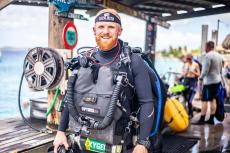
Ghostship or not, even after her long retirement at the seabed she makes up for a great dive. If you want to make a dive on the Windjammer, be sure to contact Benji Schaub from Caribbean Gas Training. He is a GUE instructor and has a lot of experience diving the wreck and can set you up with all the required equipment and gasses.
You are not allowed to dive on the wreck yourself but need an official guide, another good reason to contact Benji who will also take care of the necessary paperwork and permits for this dive. And believe me, the hassle is well worth it.
After a short swim from shore, you descend into the blue until the contours of the wreck, lying on the sandy bottom appear. The lady is still beautiful after all these years, although her age is starting to show. Parts of the hull are collapsed, but her shape is still recognizable. After about 30 minutes of bottom time, we started our decompression, which is actually quite enjoyable ascending up the beautiful reef.
Afterthoughts
So, to top it all up, Bonaire is quite a special place to visit, not as crowded as other Caribbean islands. Oriented to nature and diving, it offers something different. The capital of Kralendijk has some really good restaurants and bars to spend those after-diving hours, watching the sunset behind the small island of Klein Bonaire.
Make sure to pay Washington Slagbaai nature sanctuary a visit. It is a safe habitat for the terrestrial native and endemic species of Bonaire. Parrots, flamingos, parakeets, iguanas and many other species of birds and reptiles can be found in this reserve. The beaches inside the park are an important nesting ground for all four species of sea turtles found in the Caribbean.
For more information, contact JP Bresser at:
www.jpbresser.tv ■
Published in
- Log in to post comments